Quick summary
- Random results naturally contain streaks and repeats.
- A pattern in the past isn't a signal about the future.
- Enjoy patterns as curiosities, not as reasons to spend more.
Random doesn't mean evenly spread
People often expect random numbers to look tidy, with every number taking its turn. Real randomness is lumpier. Some numbers come up several times close together, while others disappear for weeks.
A quick coin test
Flip a coin 100 times and write down the results. You'll almost certainly see a run of five or six heads or tails in a row somewhere. That's not a sign the coin is broken. It's what random looks like.
What this means for lottery charts
When you look at the frequency bars in Apollo AI's chart suite, you'll see some tall bars and some short ones. Those differences are real history, but in a fair draw they don't push the next result in any direction.
Common traps
- "It's on a hot streak": past repeats don't make a number more likely next time.
- "It's overdue": a quiet number has exactly the same chance as always.
- "I spotted a system": with enough data, random noise always produces shapes that look like systems.
How to enjoy patterns safely
Treat them like interesting trivia. Look, notice, smile, then play your planned amount. The historical draw library keeps a long record precisely so short streaks don't look bigger than they are.
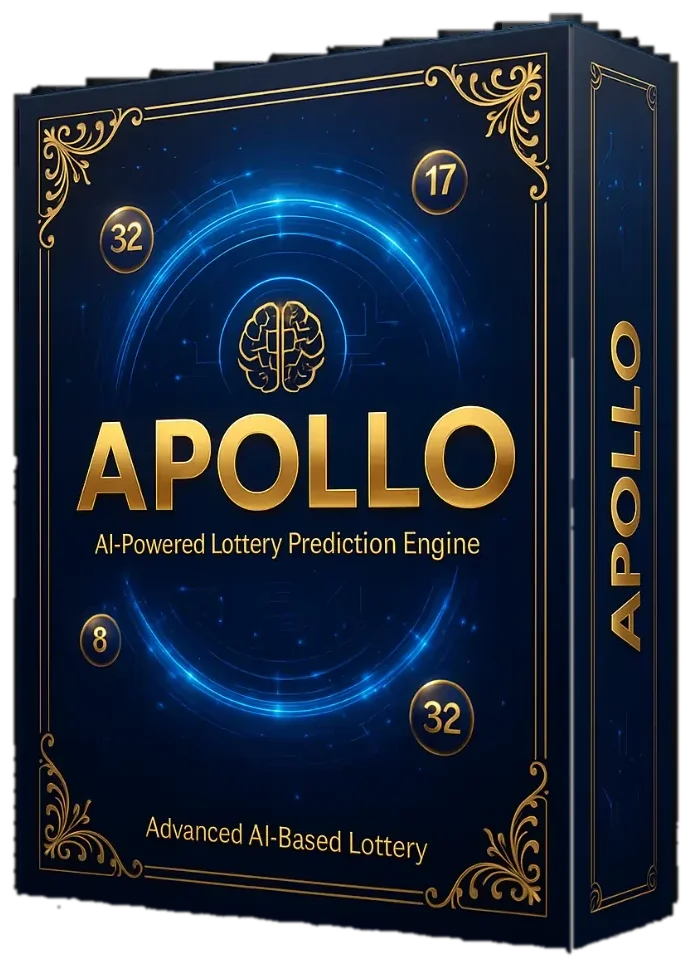
Apollo AI lays out past draws as charts and builds a set in one tap. $147 once, 14-day refund.
Get Apollo AILottery draws are random. This guide is general information, not financial advice.
More Apollo AI guides
- What a $1 Lottery Ticket Is Worth on Average
- Running a Fair Office Lottery Pool: A Simple Written Agreement
- The Number Patterns Most People Pick, and Why It Matters
- What to Do If Your Lottery Ticket Wins: Signing, Storing and Claiming
- Digit Games vs Big Jackpot Games: Which Suits a Weekly Player?
- How Official Lottery Draws Are Run and Checked
- A Guided Tour of the Apollo AI Dashboard