Quick summary
- Birthdays make numbers 1 to 31 very popular.
- Popular sets don't win less often, but prizes may be shared more.
- Any set, popular or not, has the same chance.
The favourites
- Birthdays and anniversaries: numbers from 1 to 31, and especially 1 to 12.
- Lucky numbers: 7 and 3 are especially common.
- Straight lines on the play slip: neat rows, columns or diagonals.
- Simple sequences: 1-2-3-4-5 is picked far more than you'd think.
Does it change your chance?
No. In a fair draw, 1-2-3-4-5 has exactly the same chance as any other set. The draw doesn't care how popular a number is.
Where popularity does matter
In games where some prizes are split among all winners, a popular set that wins is likely to be shared with more people. Spreading choices across the whole number range can reduce that, though it doesn't make winning any more likely.
How Apollo AI fits in
The recommendation generator builds sets from the game's full range using grouped history, rather than from birthdays. That naturally moves you away from the most crowded picks, while your odds stay exactly the same.
For more on how groups are formed, see the neural pattern model page.
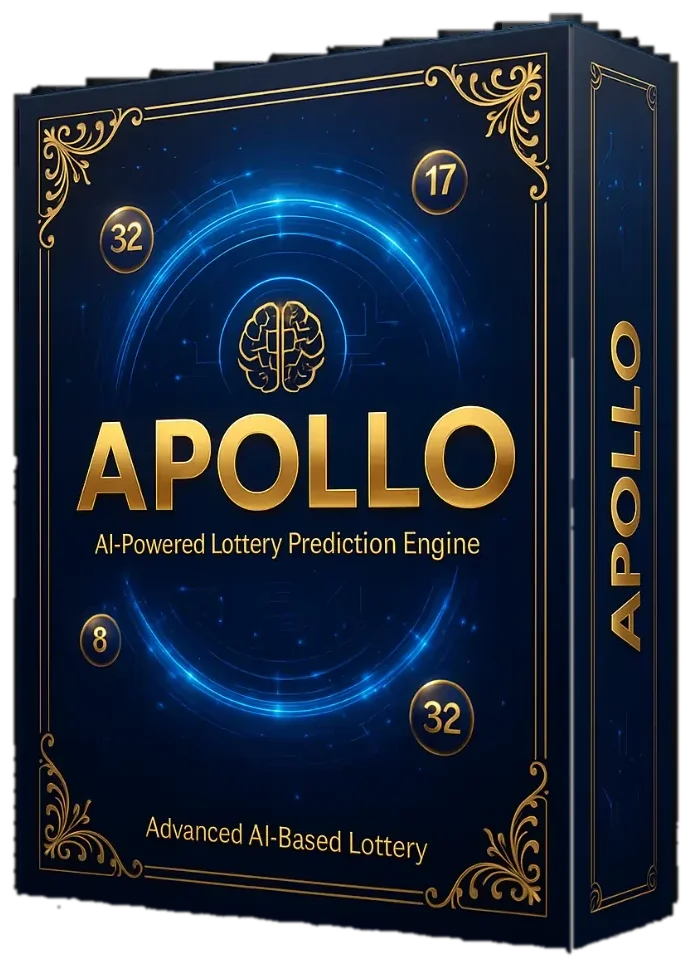
Apollo AI lays out past draws as charts and builds a set in one tap. $147 once, 14-day refund.
Get Apollo AILottery draws are random. This guide is general information, not financial advice.
More Apollo AI guides
- What a $1 Lottery Ticket Is Worth on Average
- Why Random Lottery Draws Still Produce Streaks and Clusters
- Running a Fair Office Lottery Pool: A Simple Written Agreement
- What to Do If Your Lottery Ticket Wins: Signing, Storing and Claiming
- Digit Games vs Big Jackpot Games: Which Suits a Weekly Player?
- How Official Lottery Draws Are Run and Checked
- A Guided Tour of the Apollo AI Dashboard