Quick summary
- Draws use ball machines or certified random number generators.
- Independent auditors watch and test the equipment.
- These checks are exactly why no one can predict results.
Two ways to draw
Some lotteries use mechanical machines that mix numbered balls with air or rotating arms. Others use certified electronic random number generators. Both are designed so each number has an equal chance every time.
The checks around each draw
- Equipment is tested regularly, and ball sets are weighed and measured.
- Independent auditors or officials watch the draw.
- Test draws are often run before the real one.
- Results are recorded and published quickly.
Why this matters to players
All of this care exists to make results unpredictable. That's the honest reason no tool, including Apollo AI, can forecast a draw.
Where the results go
Published results become part of the public record. Apollo AI's historical draw library stores that record for supported games, so you can explore it through the charts without hunting for it yourself.
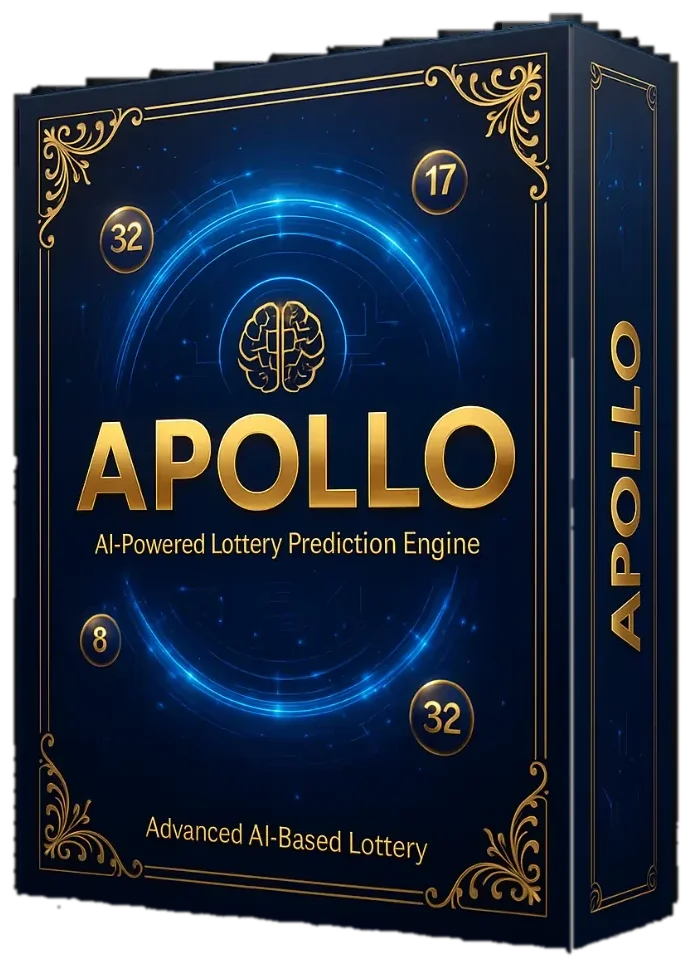
Apollo AI lays out past draws as charts and builds a set in one tap. $147 once, 14-day refund.
Get Apollo AILottery draws are random. This guide is general information, not financial advice.
More Apollo AI guides
- What a $1 Lottery Ticket Is Worth on Average
- Why Random Lottery Draws Still Produce Streaks and Clusters
- Running a Fair Office Lottery Pool: A Simple Written Agreement
- The Number Patterns Most People Pick, and Why It Matters
- What to Do If Your Lottery Ticket Wins: Signing, Storing and Claiming
- Digit Games vs Big Jackpot Games: Which Suits a Weekly Player?
- A Guided Tour of the Apollo AI Dashboard